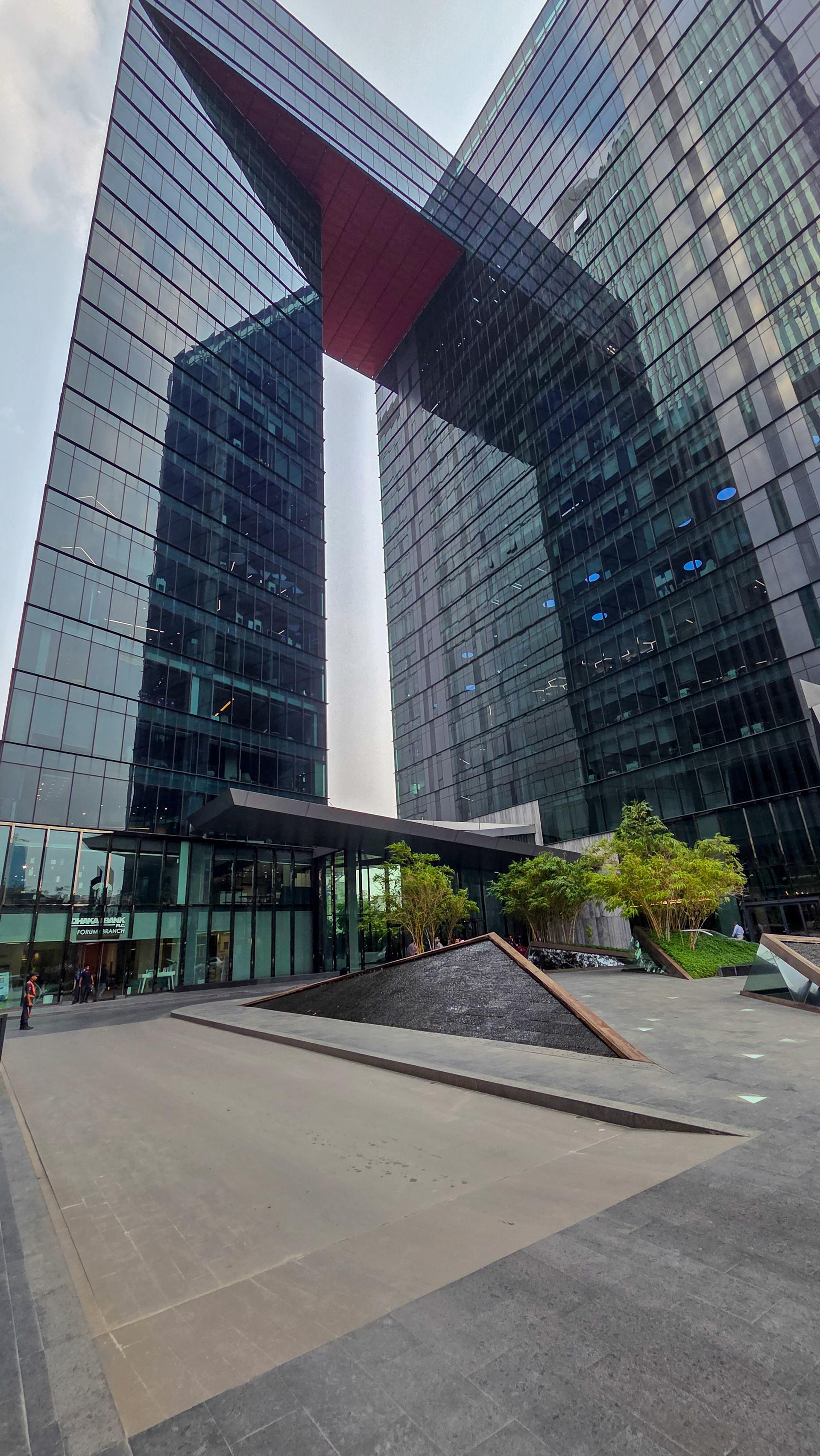

The Valeriepieris Circle is a fascinating geographical concept that highlights the incredible population density in a relatively small part of the world. Named after a Reddit user, Ken Myers, who first identified it, the Valeriepieris Circle is a circle with a radius of approximately 4,000 kilometers (about 2,485 miles), centered near the town of Mong Khet in Myanmar. This circle encapsulates more than half of the world's population, despite covering less than 20% of the Earth's land area.
The Valeriepieris Circle includes parts of several densely populated countries such as China, India, Indonesia, Pakistan, Bangladesh, Japan, the Philippines, Vietnam, Thailand, and Myanmar. Within this circle, there are vast cultural, economic, and political diversities. It encompasses bustling metropolises like Shanghai, Tokyo, and Mumbai, as well as rural regions where traditional ways of life persist.
Focusing specifically on Bangladesh, a country within the Valeriepieris Circle, small budget development projects can have a significant impact due to the high population density and existing infrastructure challenges.
Just to take as an example,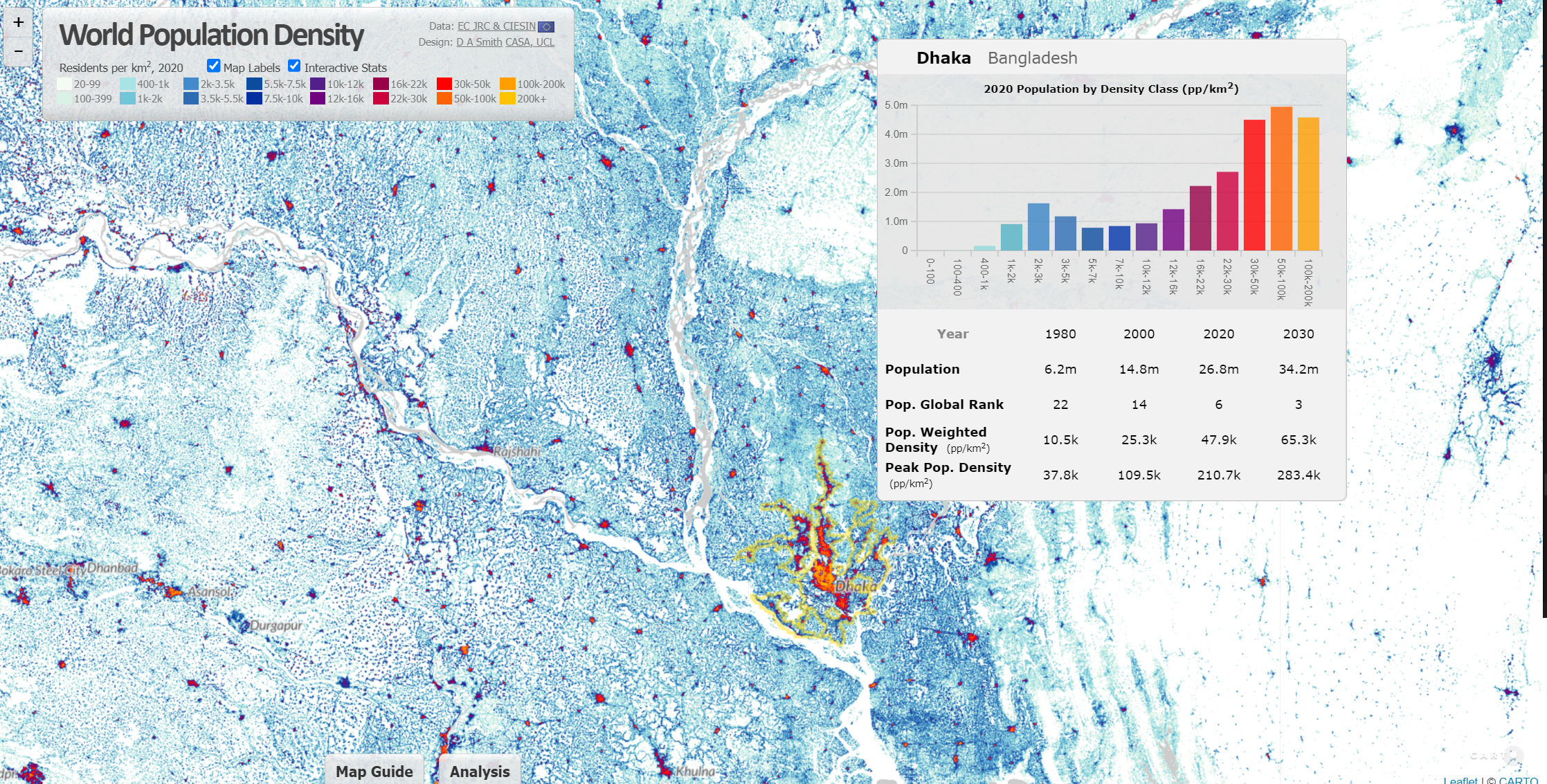
The Dhaka Metro Rail project (MRT Line-6), which is currently running, has already revolutionize urban mobility.
Statistics:
Daily Ridership: Estimated at 1.44 million passengers daily.
Reduction in Travel Time: Expected to cut down the average commute time by 50%.
Economic Impact: Reduction in traffic congestion can save up to $2 billion annually in lost productivity and fuel costs.
If we compare it to other countries projects, we can see that the amount of users that we are hitting with the length of the metro isn’t accomplished by any other projects.
Dhaka Metro Rail Project Overview
MRT Line-6:
Length: 21.26 kilometers.
Cost: Approximately $2.5 billion.
Travel Time: The entire route can be traveled in less than 40 minutes
Compared to other countries metro projects:
1. Delhi Metro (India):
Length: Over 390 kilometers.
Cost: Approximately $2.6 billion for the first phase (65 kilometers).
Daily Ridership: Around 2.8 million passengers.
2. Bangkok MRT (Thailand):
Length: 48 kilometers (Blue Line).
Cost: Approximately $2.75 billion.
Daily Ridership: Around 400,000 passengers.
3. Jakarta MRT (Indonesia):
Length: 16 kilometers (Phase 1).
Cost: Approximately $1.5 billion.
Daily Ridership: Around 130,000 passengers.
This is due to our huge density of population that we have at Dhaka. Even with this advantage our government is failing us in transportations. Even the recent flood after rain in the main city is proof of that. We always see our population density as a problem but it also has it’s advantages where small development projects can impact huge population and the return ration
The Valeriepieris Circle is a fascinating geographical concept highlighting incredible population density. Named after Reddit user Ken Myers, it has a radius of ~4,000 km centered near Mong Khet in Myanmar, covering over half the world's population in <20% of Earth's land area.
Focusing on Bangladesh, a country within this circle, small-budget development projects can significantly impact due to high population density and infrastructure challenges.
Example: Dhaka Metro Rail Project (MRT Line-6)
Length: 21.26 km
Cost: ~$2.5B
Daily Ridership: 1.44M passengers
Travel Time: <40 mins (cuts commute time by 50%)
Economic Impact: Saves up to $2B annually in lost productivity and fuel costs.
Comparison:
Delhi Metro: 65 km, ~$2.6B (first phase), 2.8M daily ridership. (Total 390 Km Project)
Bangkok MRT: 48 km, ~$2.75B, 400K daily ridership.
Jakarta MRT: 16 km, ~$1.5B, 130K daily ridership.
Dhaka's high population density offers unique advantages where small development projects can impact a large population, providing multiple returns on investment. Yet, our government is failing us in the transportation infrastructure very badly. Even the recent flood in the main city is proof of that.