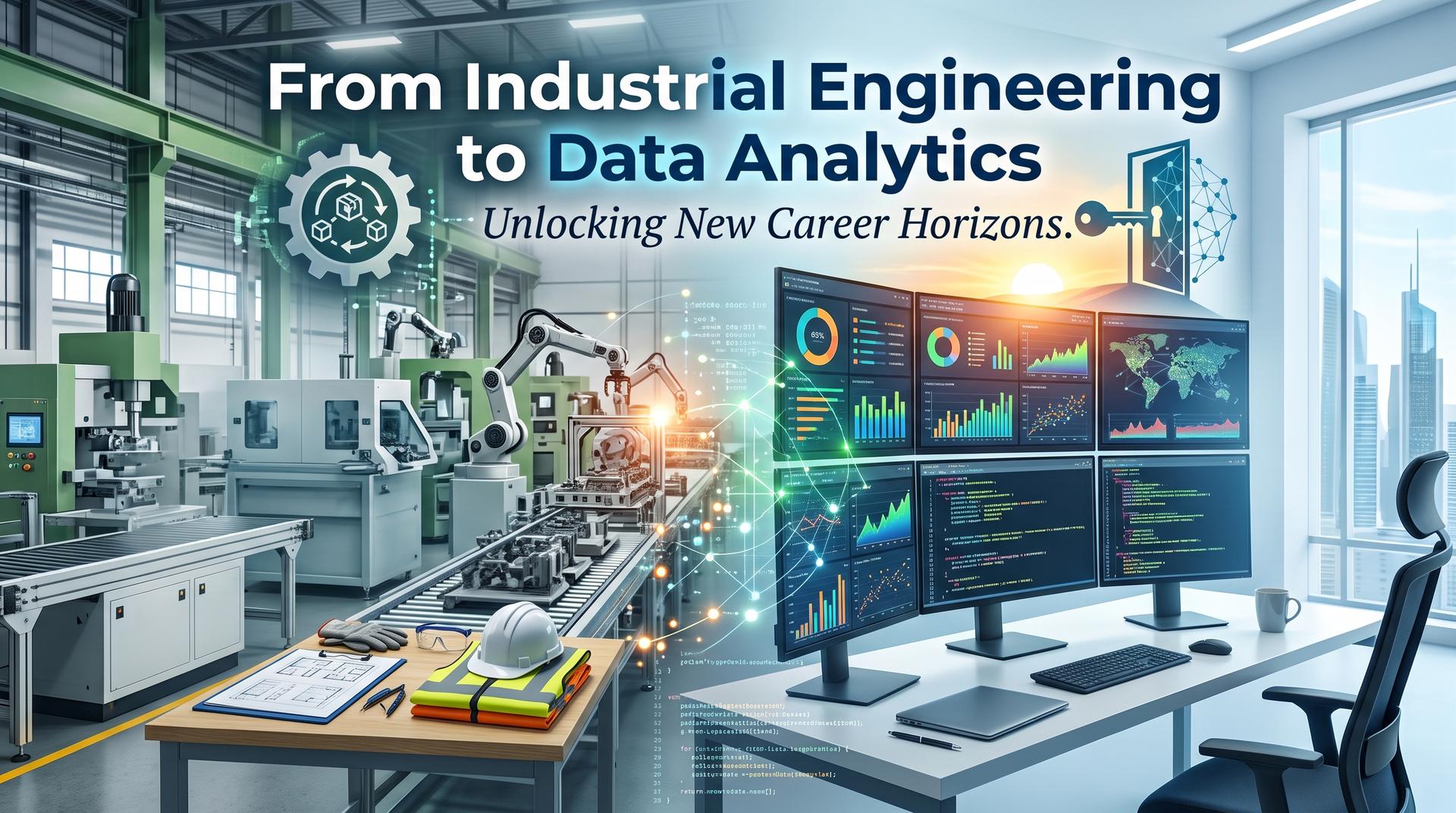
When most people hear "Industrial and Production Engineering," they immediately picture factory floors, conveyor belts, and physical supply chains. They think of stopwatches, motion studies, and physical raw materials.
But the reality of modern industry has shifted.
Today's most complex assembly lines aren't moving steel or textiles—they are moving data.
As businesses rapidly adopt Artificial Intelligence, scale SaaS platforms, and digitalize their ecosystems, the core principles of Industrial Engineering have never been more critical. Here is why the systems-thinking mindset of an Industrial Engineer is the perfect catalyst for the digital age.
Ergonomics isn't just about designing a comfortable desk chair for a multi-monitor setup. It is about understanding human capabilities and limitations within a system.
As AI tools become more integrated into daily workflows, the challenge is no longer just building the technology, but designing how humans interact with it. Industrial Engineers excel at "Human-Computer Interaction" (HCI) from a systems perspective. We ask: How do we design this dashboard so the operator makes fewer errors? How do we integrate predictive AI into a workflow without causing cognitive overload?
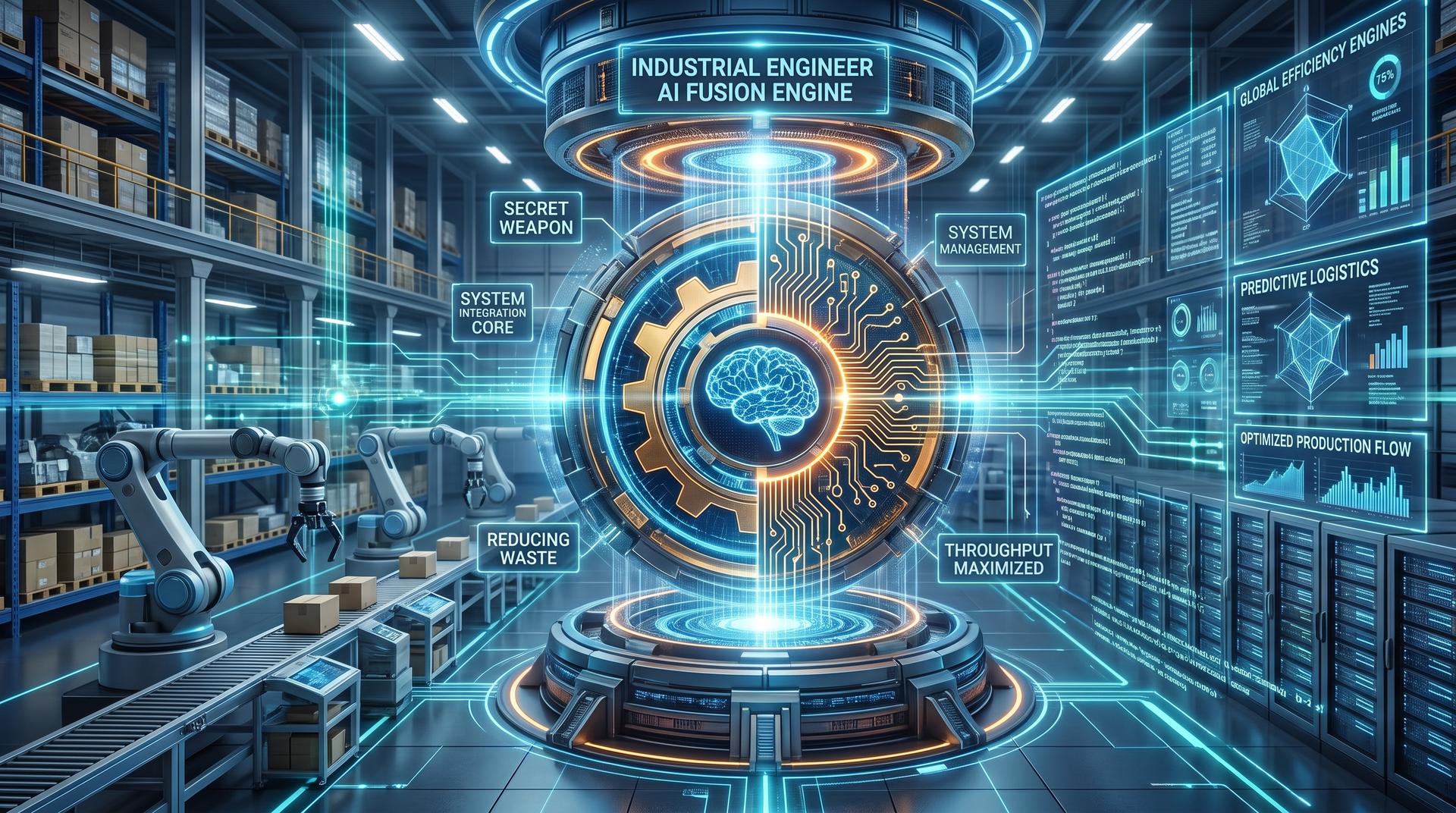
The ultimate goal of IPE has always been to optimize the integration of people, materials, information, and equipment.
The tools have changed, but the mission remains exactly the same. Whether it is optimizing the shelf-life of produce in a grocery store's live kitchen or minimizing latency in a cloud-based SaaS platform, it all comes down to efficiency, waste reduction, and process optimization.
The companies that will dominate the next decade aren't just those with the best AI models or the flashiest software. They will be the companies that know how to operationalize those tools efficiently. And for that, you need an Industrial Engineer.